Friday, November 15, 2024

The Essential Skills Every Remote Live Customer Service Agent Needs

The Essential Skills Every Remote Live Customer Service Agent Needs

The Essential Skills Every Remote Live Customer Service Agent Needs

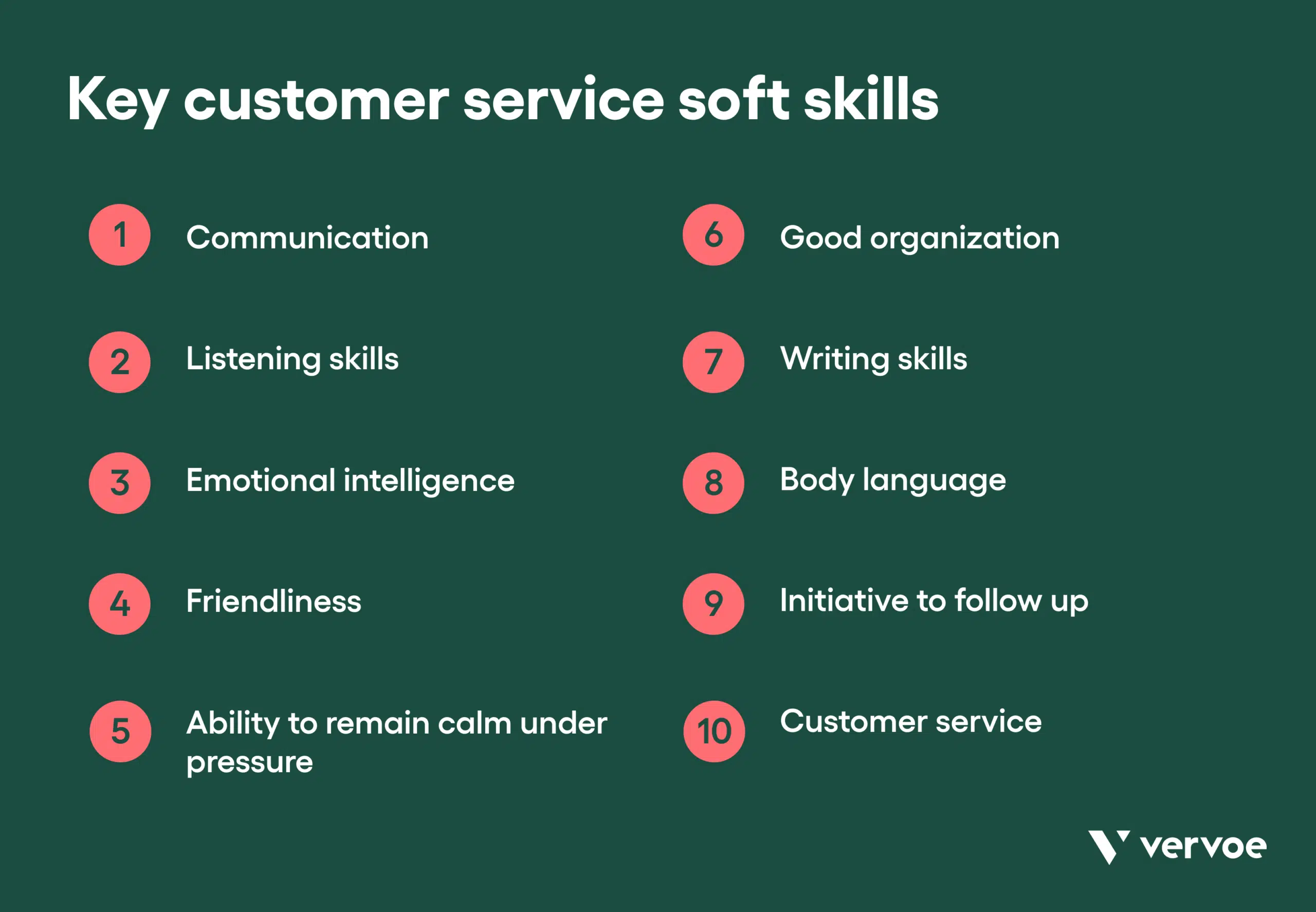
In today's digital age, remote customer service has become increasingly prevalent. Businesses are realizing the benefits of having virtual agents, who can serve customers from anywhere in the world, offering flexibility and cost savings. However, being a successful remote customer service agent requires more than just technical skills. It demands a unique set of essential skills that enable agents to effectively connect with customers, build trust, and provide exceptional service remotely.

Communication Skills

Effective communication is the cornerstone of exceptional customer service, and it's even more crucial in a remote setting. Agents need to master both verbal and written communication skills to ensure clear and concise interactions.

Active Listening

Active listening is the ability to truly understand and respond to the customer's message. It goes beyond just hearing their words; it involves paying attention to their tone of voice, body language (through written communication), and emotions. By actively listening, agents can identify the customer's needs, concerns, and expectations.

Clear and Concise Language

Agents should use clear and concise language, avoiding jargon or technical terms that the customer might not understand. They should tailor their communication style to the individual customer, ensuring that their message is easily understood and relatable.

Empathy and Emotional Intelligence

Empathy is the ability to understand and share the feelings of another person. In customer service, empathy allows agents to connect with customers on an emotional level, acknowledge their frustrations, and offer support. This fosters trust and builds strong customer relationships.

Problem-Solving and Analytical Skills

Remote customer service agents often encounter complex problems that require critical thinking and problem-solving abilities. They must be able to analyze situations, identify the root cause of issues, and develop effective solutions.

Logical Reasoning

Agents must be able to think logically and apply reasoning skills to resolve customer issues effectively. They need to assess the situation, gather relevant information, and make informed decisions based on available data.

Creative Thinking

Customer service situations can be unpredictable. Agents need to be able to think creatively and come up with innovative solutions to address unique challenges. This might involve finding alternative solutions, adapting existing procedures, or suggesting new approaches.

Technical Skills

In today's technological landscape, remote customer service agents need a strong foundation in technology. They should be proficient in using various software and tools to effectively communicate with customers, manage tasks, and access relevant information.

Computer Literacy

Agents should be comfortable using computers and various software programs. This includes word processing, spreadsheets, email, web browsing, and customer relationship management (CRM) systems.

Technical Knowledge

While not every agent needs to be a tech expert, they should have a general understanding of the products or services they support. This includes knowing how the products work, common issues customers face, and troubleshooting tips.

Time Management and Organization Skills

Working remotely requires excellent time management and organizational skills. Agents need to be able to manage their workload effectively, prioritize tasks, and meet deadlines while working independently.

Self-Discipline

Remote work can present unique challenges, such as distractions and a lack of direct supervision. Agents need to be self-disciplined, motivated, and accountable for their work. They should create a structured work environment that promotes focus and productivity.

Prioritization and Task Management

Agents often handle multiple customer requests simultaneously. They need to be able to prioritize tasks, manage their time effectively, and ensure that all customers receive timely and efficient service.

Adaptability and Flexibility

The world of customer service is constantly evolving, and remote agents need to be adaptable and flexible to thrive in this dynamic environment. They must be willing to learn new skills, adjust to changing technologies, and embrace new challenges.

Continuous Learning

Customer service is an ongoing learning process. Agents need to stay up-to-date on industry trends, product updates, and best practices. They should be eager to learn new skills and expand their knowledge base.

Flexibility and Resilience

Remote work requires agents to be flexible and adaptable to changing work schedules, unexpected situations, and evolving customer needs. They should be able to adjust to different communication channels, handle unexpected issues, and maintain a positive attitude in challenging circumstances.

Soft Skills

Soft skills are personal attributes that enhance communication, teamwork, and overall effectiveness. In remote customer service, soft skills play a vital role in building strong customer relationships and providing excellent service.

Professionalism

Agents should maintain a professional demeanor at all times, even in challenging situations. This includes using appropriate language, being respectful of customers, and adhering to company policies and procedures.

Patience and Positivity

Customer service can be demanding, and agents need to maintain patience and a positive attitude even when dealing with difficult customers. They should strive to resolve issues amicably and leave customers feeling valued and understood.

Teamwork

While remote work involves individual contributions, it's essential for agents to collaborate effectively with their team members. They should be able to communicate clearly, share information, and work together to achieve common goals.

Conclusion

The essential skills for a remote live customer service agent encompass a diverse range of abilities, including communication, problem-solving, technical proficiency, time management, adaptability, and soft skills. By developing and honing these skills, agents can thrive in the remote work environment, provide exceptional customer service, and build strong, lasting relationships with customers.


Navigating the World of Remote Work with Web Chat Jobs

Navigating the World of Remote Work with Web Chat Jobs

Navigating the World of Remote Work with Web Chat Jobs

The world of work is changing, and remote jobs are becoming increasingly popular. One specific area gaining traction is web chat jobs. These jobs allow individuals to work from anywhere with an internet connection, providing customer service and support through chat interfaces. This article explores the ins and outs of navigating the world of remote work with web chat jobs, covering essential aspects like finding opportunities, preparing for success, and managing your work-life balance.

Finding Web Chat Jobs

The first step in embarking on a remote web chat career is finding suitable opportunities. Luckily, numerous resources cater to this growing sector.

Online Job Boards

Websites dedicated to remote work, such as FlexJobs, Remote.co, and Indeed, often feature a dedicated section for web chat jobs. These platforms allow you to filter by location, industry, and experience level, making it easier to find relevant openings.

Company Websites

Many companies are actively seeking remote customer service representatives. Check the "Careers" section of websites for companies offering web chat support roles. This direct approach can lead to more targeted applications.

Networking

Connect with individuals already working in remote web chat positions through LinkedIn or relevant online communities. They can provide valuable insights into the industry and share potential job openings.

Preparing for Success

Once you've found promising web chat opportunities, preparation is key to landing the job and excelling in the role.

Develop Essential Skills

Web chat jobs require strong communication skills, both written and verbal. You should be able to convey information clearly and concisely, understand and respond to customer inquiries effectively, and maintain a professional and friendly tone. Additionally, typing speed and accuracy are crucial for efficient communication.

Optimize Your Resume and Cover Letter

Highlight your customer service experience, communication skills, and any relevant technical abilities. Tailor your resume and cover letter to each specific job application, emphasizing how your skills align with the company's requirements.

Practice Your Interview Skills

Prepare for common interview questions related to customer service, remote work, and your experience with web chat platforms. Practicing your answers beforehand will boost your confidence and ensure you present yourself effectively.

Managing Work-Life Balance

The flexibility of remote work comes with its own set of challenges, particularly in maintaining a healthy work-life balance.

Establish a Dedicated Workspace

Create a designated workspace that is free from distractions and conducive to productivity. Having a dedicated area for work helps separate your professional and personal life, improving focus and reducing burnout.

Set Clear Boundaries

Define specific work hours and stick to them. Avoid working late into the night or during personal time to ensure you have time for rest, relaxation, and personal pursuits.

Communicate Effectively

Maintain clear and open communication with your team and supervisor regarding your availability and workload. This ensures you receive support when needed and avoid feeling overwhelmed.

The Benefits of Web Chat Jobs

Remote web chat jobs offer numerous advantages that appeal to many job seekers. These benefits contribute to a fulfilling and rewarding work experience.

Flexibility and Autonomy

Work from anywhere with a stable internet connection. You have the freedom to set your own schedule, work from home, or travel while maintaining a job.

Work-Life Balance

The flexibility allows for greater control over your time, enabling you to prioritize personal commitments and pursue hobbies while maintaining a fulfilling career.

Growth Opportunities

Remote web chat positions can lead to promotions, training, and specialized skills development. Many companies offer opportunities for advancement within their remote customer service teams.

Conclusion

Navigating the world of remote work with web chat jobs offers a promising path for those seeking flexibility, autonomy, and a fulfilling career. By finding opportunities, preparing for success, and managing your work-life balance, you can unlock the benefits of remote work and build a rewarding career in web chat support.

Why Companies Prefer Hiring Remote Workers for Chats

Why Companies Prefer Hiring Remote Workers for Chats

The Rise of Remote Chat Agents: Why Companies Are Embracing the Virtual Workforce

The traditional office setting is rapidly evolving, with remote work becoming the new norm for many industries. This shift is particularly evident in the customer service realm, where companies are increasingly opting for remote chat agents to handle their customer interactions. This transition presents a compelling array of advantages, driving companies to embrace the virtual workforce for their chat support needs.

Cost-Effectiveness: A Significant Advantage

One of the primary drivers behind the growing preference for remote chat agents is the significant cost savings they offer. Unlike traditional brick-and-mortar call centers, companies employing remote agents eliminate the need for physical office space, associated utilities, and other overhead costs. This translates into a more budget-friendly approach to customer support, allowing businesses to allocate resources more efficiently.

Reduced Overhead Costs

The absence of a physical office eliminates the need for rent, utilities, maintenance, and other associated expenses. These cost savings are substantial, allowing companies to invest in other areas of their business or simply enjoy a higher profit margin.

Flexible Staffing and Scalability

Remote chat agents offer flexibility in staffing. Companies can easily adjust their workforce based on fluctuating customer demand. They can scale up or down their team quickly without the hassle and expense of hiring and training new employees in a physical office setting. This agility is crucial for businesses experiencing seasonal peaks or sudden surges in customer inquiries.

Access to a Wider Talent Pool

The geographical limitations inherent in traditional hiring practices are eliminated when companies choose remote chat agents. They can tap into a global pool of talent, accessing a broader range of skills, experience, and cultural perspectives. This diversity enriches the customer experience, as agents with diverse backgrounds can cater to a wider customer base.

Global Talent Acquisition

Companies can recruit skilled chat agents from anywhere in the world, expanding their talent pool significantly. This opens up opportunities to hire individuals with specialized knowledge or fluency in multiple languages, enhancing the quality and reach of their customer support.

Cultural Diversity and Inclusivity

Employing a remote workforce fosters a diverse and inclusive environment. Companies can recruit individuals from various backgrounds, promoting greater cultural sensitivity and understanding in their customer support operations. This inclusivity enhances the customer experience by making it more welcoming and relatable for diverse audiences.

Increased Productivity and Efficiency

Remote chat agents often exhibit higher levels of productivity and efficiency compared to their in-office counterparts. The absence of distractions, commuting time, and office politics creates a more focused and productive work environment for remote agents. This translates into quicker response times, enhanced customer satisfaction, and overall improved efficiency in customer support operations.

Reduced Distractions and Enhanced Focus

Remote agents work in a controlled environment, minimizing distractions and fostering a higher level of concentration. This focused atmosphere contributes to improved accuracy and speed in handling customer inquiries.

Flexible Work Schedules

Remote chat agents often have flexible work schedules, allowing them to adjust their hours to suit their individual needs and preferences. This flexibility enhances work-life balance, leading to increased job satisfaction and a more motivated workforce.

Technological Advancements and Seamless Integration

The rise of advanced communication and collaboration technologies has made remote work not only possible but also highly efficient. Companies can leverage tools like cloud-based chat platforms, video conferencing software, and project management applications to facilitate seamless communication and collaboration between remote agents and their colleagues.

Cloud-Based Chat Platforms

Modern chat platforms offer robust features, including real-time chat, file sharing, automated responses, and data analytics, enabling efficient and effective customer interactions.

Video Conferencing and Collaboration Tools

Video conferencing software allows for face-to-face interactions, fostering a sense of connection and collaboration among remote agents and their supervisors. Project management tools provide a centralized platform for task assignment, progress tracking, and communication, ensuring streamlined operations.

Enhanced Customer Experience

Despite the virtual nature of the interaction, remote chat agents are adept at creating a personalized and positive customer experience. By leveraging the power of technology, they can access customer information, track previous interactions, and tailor their responses to individual needs.

Personalized Customer Support

Remote agents have access to customer data and can personalize their interactions, addressing specific needs and preferences. This personalized approach enhances customer satisfaction and loyalty.

24/7 Availability

Companies can offer 24/7 customer support by employing remote chat agents in different time zones. This round-the-clock availability ensures that customers receive assistance whenever they need it, regardless of their location or the time of day.

Challenges of Hiring Remote Chat Agents

While the benefits of hiring remote chat agents are significant, companies need to be aware of potential challenges and implement appropriate strategies to mitigate them. These challenges include:

Security and Data Privacy

Companies must implement robust security measures to protect sensitive customer data accessed by remote agents. This includes data encryption, access controls, and regular security audits.

Maintaining Team Cohesion

Creating a sense of team spirit and fostering effective collaboration among remote agents can be challenging. Companies can address this by implementing virtual team-building activities, regular communication channels, and clear performance metrics.

Training and Development

Providing comprehensive training and ongoing development opportunities is crucial for remote chat agents. This ensures that they are equipped with the necessary skills and knowledge to effectively handle customer inquiries.

Conclusion: The Future of Customer Support is Virtual

The shift towards remote chat agents is a testament to the evolving landscape of customer service. Companies are recognizing the significant advantages of this virtual workforce, including cost-effectiveness, access to a wider talent pool, increased productivity, and a seamless customer experience. By embracing the right tools and strategies, companies can harness the power of remote chat agents to create a more efficient, cost-effective, and customer-centric support model.

How to Thrive in Online Chat Jobs

How to Thrive in Online Chat Jobs

Conquer the Chat: Your Guide to Thriving in Online Chat Jobs

The digital age has opened a world of opportunities, and online chat jobs are leading the charge. Whether you're a seasoned professional seeking flexible work or a newcomer looking for a foot in the door, mastering the art of online chat interaction can unlock a rewarding career. But success isn't guaranteed; it demands skill, strategy, and a genuine desire to connect with others through text. This guide will equip you with the tools you need to not just survive, but thrive in this dynamic field.

Mastering the Art of Online Communication

Effective online communication differs significantly from face-to-face interactions. You lack the nonverbal cues that naturally convey tone and emotion. Therefore, you must consciously cultivate clear, concise, and engaging writing. Avoid ambiguity; use simple language and precise wording to ensure your message is understood perfectly the first time. This prevents misunderstandings and reduces the need for back-and-forth clarification, streamlining the conversation and boosting your efficiency.

Embrace Empathy and Patience

Remember, you're interacting with real people who may be experiencing frustration, confusion, or even anger. Empathy is paramount. Put yourself in their shoes, acknowledge their feelings, and respond with understanding. Even if a customer is being unreasonable, maintaining a calm and patient demeanor will often de-escalate the situation and foster a positive resolution. Your ability to remain composed under pressure is a valuable asset in this field.

Boosting Your Efficiency and Productivity

Efficient chat agents are highly valued. To maximize your output, develop a system for managing multiple conversations simultaneously. Many platforms offer features like canned responses and shortcuts to expedite common queries. Learn to utilize these tools effectively. Prioritize urgent requests, and don't be afraid to politely let a customer know if you need a moment to address a pressing issue before returning to their conversation.

Leverage Technology and Resources

Familiarize yourself thoroughly with the platform's features and available resources. Most companies provide internal knowledge bases or FAQs. Become adept at quickly finding solutions to common problems; this will significantly reduce the time you spend searching and allow you to assist more customers efficiently. Utilize any available training materials to hone your skills and stay updated on company policies and procedures.

Building a Strong Professional Presence

Your online persona represents your employer. Maintain a professional tone at all times, avoiding slang, informal language, and overly casual expressions. Accuracy is key; double-check your responses for grammatical errors and typos before sending. A polished and professional image conveys competence and builds trust with clients, leaving a positive lasting impression.

Continuous Learning and Improvement

The online chat landscape is constantly evolving. Stay abreast of industry trends and best practices by seeking out online resources, attending webinars, or participating in relevant professional communities. Regularly reflect on your performance; identify areas for improvement and actively work on developing your skills. Continuous learning is the key to long-term success in this competitive field.

Beyond the Chat: Professional Development

While mastering the technical aspects of online chatting is crucial, your success hinges on more than just typing speed and knowledge of the product. Soft skills such as active listening, problem-solving, and conflict resolution are equally important. Develop these skills through practice and seek feedback from supervisors and colleagues. Remember, every interaction is an opportunity for professional growth.

  • Practice active listening: Pay close attention to what the customer is saying, both explicitly and implicitly.
  • Develop strong problem-solving skills: Learn to approach challenges systematically and creatively.
  • Master conflict resolution techniques: Handle difficult situations with diplomacy and tact.

By diligently implementing these strategies, you'll not only succeed in your online chat job but also build a strong foundation for a fulfilling and prosperous career in the ever-expanding digital realm.

Networking Tips for Aspiring Online Customer Service Professionals

Networking Tips for Aspiring Online Customer Service Professionals

Networking Tips for Aspiring Online Customer Service Professionals

In today’s digital age, online customer service has become an essential part of any successful business. Aspiring professionals in this field need to stand out from the crowd and build a strong network to boost their careers. Networking doesn’t have to be daunting; it can be an exciting and rewarding way to connect with peers and industry leaders. Here are some valuable tips to help you build a solid network and pave your way to a fulfilling online customer service career:

Join Online Communities and Forums

The internet is a treasure trove of online communities and forums specifically designed for customer service professionals. Platforms like Reddit, LinkedIn, and Facebook groups offer a fantastic space to engage in discussions, ask questions, and learn from experienced individuals in the field.

Be Active and Participate

Don't just lurk! Actively participate in discussions by sharing your insights, responding to questions, and offering helpful advice. This not only establishes you as a knowledgeable professional but also helps you connect with others who share your interests.

Seek Out Mentors

Look for experienced customer service professionals who can guide you on your journey. Don't be afraid to reach out and ask for advice or mentorship. Many seasoned professionals are willing to share their knowledge and experiences, which can be invaluable for your growth.

Attend Industry Events and Webinars

The customer service world is constantly evolving, so staying up-to-date is essential. Industry events, webinars, and conferences offer a unique opportunity to connect with other professionals, learn about the latest trends, and expand your knowledge base.

Networking Opportunities

Take advantage of networking opportunities at events. Introduce yourself to people, ask questions, and exchange contact information. These events are specifically designed for professionals to connect and build relationships.

Learn From Speakers

Pay attention to the speakers at events and webinars. Their insights and experiences can provide valuable lessons and inspire you to reach your full potential.

Connect With Recruiters and Hiring Managers

LinkedIn is an excellent platform to connect with recruiters and hiring managers in the customer service field. By tailoring your profile to highlight your skills and experience, you can make yourself visible to potential employers.

Build a Strong Profile

Present yourself as a professional on LinkedIn. A polished profile with a professional headshot, relevant experience, and a clear summary of your skills can attract the attention of recruiters and hiring managers.

Join Relevant Groups

Join LinkedIn groups related to customer service. Participate in discussions, share insights, and connect with like-minded professionals in the field. These groups can be a valuable resource for networking and career advancement.

Develop Your Online Presence

In the digital age, having a strong online presence is crucial. This includes creating a professional website, engaging on social media platforms, and contributing to relevant online communities.

Share Your Expertise

Use your online platforms to share your knowledge and expertise with others. Create informative blog posts, share helpful articles, and engage in meaningful discussions. By sharing valuable content, you can establish yourself as a thought leader in the customer service field.

Build a Personal Brand

Develop a personal brand that reflects your values, skills, and passion for customer service. This brand should be consistent across all your online platforms and should showcase your unique qualities and expertise.

Conclusion

Building a solid network in the online customer service field takes time and effort, but the rewards are well worth it. By implementing these tips, you can connect with industry leaders, gain valuable knowledge, and position yourself for success in a thriving and ever-evolving profession. Remember, the key to effective networking is to be authentic, engage with others, and actively contribute to the online community.

How to Start a Career as a Chat Representative

How to Start a Career as a Chat Representative

Starting Your Journey as a Chat Representative: A Comprehensive Guide

In today's digital world, businesses are constantly striving to enhance their customer interactions. This has led to a surge in demand for skilled chat representatives who can provide prompt, efficient, and friendly support to customers via online platforms. If you're looking for a rewarding career that combines communication skills, problem-solving abilities, and a passion for helping people, becoming a chat representative might be the perfect path for you. This comprehensive guide will walk you through the steps involved in starting your journey as a chat representative.

Understanding the Role of a Chat Representative

Chat representatives, also known as live chat agents, serve as the digital face of a company. Their primary responsibility is to engage with customers in real-time through chat interfaces on websites or social media platforms. They answer questions, address concerns, troubleshoot issues, and guide customers through various processes. Chat representatives play a crucial role in building positive customer experiences, enhancing brand loyalty, and increasing customer satisfaction.

Essential Skills for Success

To excel as a chat representative, you need a blend of technical and soft skills. Here are some key skills that are highly valued in the industry:

Technical Skills

  • Proficiency in using various chat platforms (e.g., Zendesk, Intercom, LiveChat)
  • Knowledge of basic troubleshooting techniques for common software and hardware issues
  • Familiarity with different types of customer support systems (e.g., ticketing systems, knowledge bases)

Soft Skills

  • Excellent communication skills: The ability to express yourself clearly, concisely, and effectively in written form is paramount.
  • Active listening skills: Paying close attention to customer inquiries and understanding their needs is crucial for providing accurate and helpful responses.
  • Problem-solving skills: You should be able to identify issues, gather relevant information, and offer solutions in a timely manner.
  • Patience and empathy: Chat representatives often encounter frustrated customers. Maintaining a calm and understanding demeanor can go a long way in resolving issues peacefully.
  • Adaptability: The customer service landscape is constantly evolving. Being adaptable to new tools, processes, and technologies is essential.

Getting Started: Steps to Take

Now that you understand the core requirements, let's outline the steps you can take to embark on your career as a chat representative:

Step 1: Enhance Your Skills

Start by focusing on developing the necessary skills. If you lack experience in customer service, consider taking online courses or workshops. There are excellent resources available that cover topics like communication, active listening, problem-solving, and conflict resolution. Many platforms offer free or affordable courses that can equip you with the foundation you need.

Step 2: Build Your Resume and Portfolio

Crafting a compelling resume and portfolio is essential for landing your first chat representative role. Highlight any previous customer service experience you may have, even if it's not directly related to online chat. Include details about your communication skills, problem-solving abilities, and any relevant technical knowledge. You can also create a portfolio showcasing your written communication skills by compiling examples of well-written customer interactions.

Step 3: Explore Job Boards and Company Websites

Once you have a solid resume and portfolio, start actively searching for chat representative positions. Popular job boards like Indeed, LinkedIn, and Monster are excellent starting points. Additionally, visit the websites of companies that interest you to check for open positions. Many companies post job openings directly on their career pages.

Step 4: Tailor Your Application to Each Position

When applying for chat representative roles, make sure to tailor your resume and cover letter to each specific job posting. Highlight the skills and experience that are most relevant to the position's requirements. Show that you have done your research about the company and its products or services. This demonstrates your genuine interest and commitment to the role.

Step 5: Prepare for Interviews

Once you secure an interview, prepare thoroughly. Research the company, its culture, and its competitors. Practice answering common interview questions related to customer service, conflict resolution, and technical skills. Be prepared to share examples of your past experiences and how you have successfully handled challenging situations.

Tips for Success as a Chat Representative

Landing your first job is just the beginning. Here are some tips to help you thrive as a chat representative:

  • Be proactive: Take initiative to learn new tools, processes, and technologies that can enhance your performance.
  • Seek feedback: Regularly ask your supervisors for feedback on your performance. Identify areas where you can improve and actively seek opportunities to develop your skills.
  • Build relationships with your team: Collaborating effectively with your colleagues can create a positive and supportive work environment. Share knowledge, offer help when needed, and celebrate each other's successes.
  • Stay positive: Customer service can be challenging at times. Maintaining a positive attitude can help you effectively handle difficult situations and deliver exceptional customer experiences.

The Future of Chat Representatives

The demand for chat representatives is expected to continue growing in the coming years. As businesses increasingly rely on online channels to engage with customers, the role of chat representatives will become even more crucial. By developing your skills, staying informed about industry trends, and demonstrating a passion for customer service, you can build a rewarding and fulfilling career as a chat representative.

How to Improve Your Skills for Chat Support Jobs From Home

How to Improve Your Skills for Chat Support Jobs From Home

How to Improve Your Skills for Chat Support Jobs From Home

The world of work is changing, and remote opportunities are becoming increasingly popular. One of the most sought-after remote jobs is chat support, where individuals provide customer service and assistance through online chat platforms. If you are looking to break into this field or improve your existing skills, there are several steps you can take to become a top-tier chat support professional.

Mastering Communication Skills

At its core, chat support is all about communication. The ability to convey information clearly, empathetically, and effectively is paramount to success. Here are some key areas to focus on:

Written Communication

The primary mode of interaction in chat support is through written text. Therefore, it's essential to develop strong written communication skills. Here are some tips:

  • Grammar and Spelling: Pay close attention to grammar and spelling. Mistakes can come across as unprofessional and detract from the overall message.
  • Clarity and Conciseness: Use clear and concise language. Avoid jargon and overly technical terms that the customer may not understand. Get to the point quickly and efficiently.
  • Active Listening: While it may seem counterintuitive in a text-based environment, active listening is still crucial. Read the customer's messages carefully, paying attention to their tone and intent.

Empathy and Emotional Intelligence

While chat support is a text-based environment, it's crucial to demonstrate empathy and emotional intelligence. Customers may be frustrated or upset when contacting support, and it's your job to understand their emotions and respond appropriately.

  • Active Listening and Tone Recognition: Pay close attention to the customer's tone and word choice. Even in text format, you can detect frustration, confusion, or anger.
  • Show Understanding: Acknowledge the customer's feelings and show that you understand their perspective. Phrases like "I understand your frustration" or "I can see how this would be confusing" go a long way.
  • Remain Professional: Even if a customer is rude or aggressive, always maintain professionalism. Avoid engaging in personal attacks or escalating the situation.

Problem-Solving and Critical Thinking

Chat support professionals often encounter a wide range of customer inquiries and technical issues. Developing strong problem-solving and critical thinking skills will enable you to handle these situations effectively.

  • Active Listening and Information Gathering: Carefully listen to the customer's problem and ask clarifying questions to gather all the necessary information.
  • Creative Solutions: Think outside the box to find creative solutions to problems. Don't be afraid to suggest alternative approaches or workarounds.
  • Research and Resourcefulness: Be prepared to research relevant information, access internal resources, and consult with colleagues to find solutions.

Technical Skills for Chat Support

In addition to communication skills, you'll need some technical skills to excel in chat support. Here are some key areas:

Chat Support Software and Platforms

Become familiar with popular chat support software and platforms. Some of the most widely used include:

  • Zendesk: A robust platform that offers a wide range of features for managing customer interactions.
  • Intercom: A popular platform for providing in-app support and engagement.
  • Freshdesk: A cloud-based customer support platform known for its ease of use and customization options.
  • LiveChat: A versatile platform that offers live chat, help desks, and other tools for customer support.

Familiarize yourself with the specific features of the platform you'll be using, including how to manage chat sessions, escalate issues, and utilize available resources.

Technical Knowledge

Depending on the industry and type of support, you may need to possess specific technical knowledge. This could include:

  • Product Knowledge: A thorough understanding of the products or services you're supporting.
  • Software or Application Knowledge: Proficiency in using software or applications relevant to the company or industry.
  • Troubleshooting Skills: The ability to diagnose and solve common technical issues customers may encounter.

If you lack experience in a particular area, be upfront with the customer and seek assistance from colleagues or supervisors.

Keyboarding Skills

Speed and accuracy in typing are crucial for efficient communication in chat support. Practice your keyboarding skills to improve your speed and reduce errors. There are many online typing tutors and games available to help you enhance your proficiency.

Developing Soft Skills

Soft skills are equally important as technical skills in chat support. They play a significant role in building rapport with customers and creating a positive experience. Here are some key soft skills to develop:

Patience and Understanding

Customers may be frustrated or impatient when contacting support. It's your job to remain calm, patient, and understanding throughout the interaction.

Professionalism

Maintain a professional demeanor at all times. Avoid using slang, casual language, or emojis. Respond promptly to messages and avoid lengthy pauses or delays.

Time Management

Effective time management is crucial in chat support. You'll often be handling multiple chats simultaneously, so learn to prioritize and manage your time efficiently.

Continuous Learning and Improvement

The world of technology is constantly evolving, and the chat support industry is no exception. To stay ahead of the curve, it's essential to commit to continuous learning and improvement.

  • Industry News and Updates: Stay current with industry trends, new technologies, and best practices in customer service.
  • Online Courses and Training: Explore online courses and training programs related to chat support, communication skills, or specific software platforms.
  • Seek Feedback: Request feedback from supervisors, colleagues, and customers to identify areas for improvement.

By continuously seeking knowledge and refining your skills, you'll become a more valuable and well-rounded chat support professional.

Preparing for a Home-Based Chat Support Job

Before you dive into the world of remote chat support, make sure you have a suitable home office setup and the necessary tools for success. Consider the following:

Work Environment

  • Quiet Space: Choose a quiet workspace free from distractions. A dedicated home office is ideal, but a quiet corner or room can also work.
  • Reliable Internet Connection: A strong, stable internet connection is essential for seamless communication with customers.
  • Ergonomic Setup: Invest in ergonomic furniture and equipment to ensure comfort and prevent strain.

Essential Equipment

  • Computer: A reliable laptop or desktop computer is a must-have.
  • Headset: A good headset with a microphone will allow you to clearly communicate with customers.
  • Webcam (Optional): While not always required, a webcam can enhance video communication for certain situations.

Conclusion

By mastering communication skills, technical knowledge, soft skills, and cultivating a professional home office environment, you can transform yourself into a successful and in-demand chat support professional. Continuous learning and improvement are key to staying ahead in this dynamic industry.

The demand for remote chat support professionals continues to grow, offering a flexible and rewarding career path. With dedication and the right skills, you can unlock a world of opportunities in the ever-evolving world of customer service.